Our Process
How a Project Actually Goes
Good work is mostly good decisions made early. Here's how we run a project, what we need from you, and what we'll tell you before you spend anything.
Step by Step
From First Call to Final Walkthrough
- 01
The call
Tell us what you're trying to accomplish and roughly where the property is. We'll say honestly whether it's work we're the right fit for, and if it isn't, we'll say that too.
- 02
The site walk
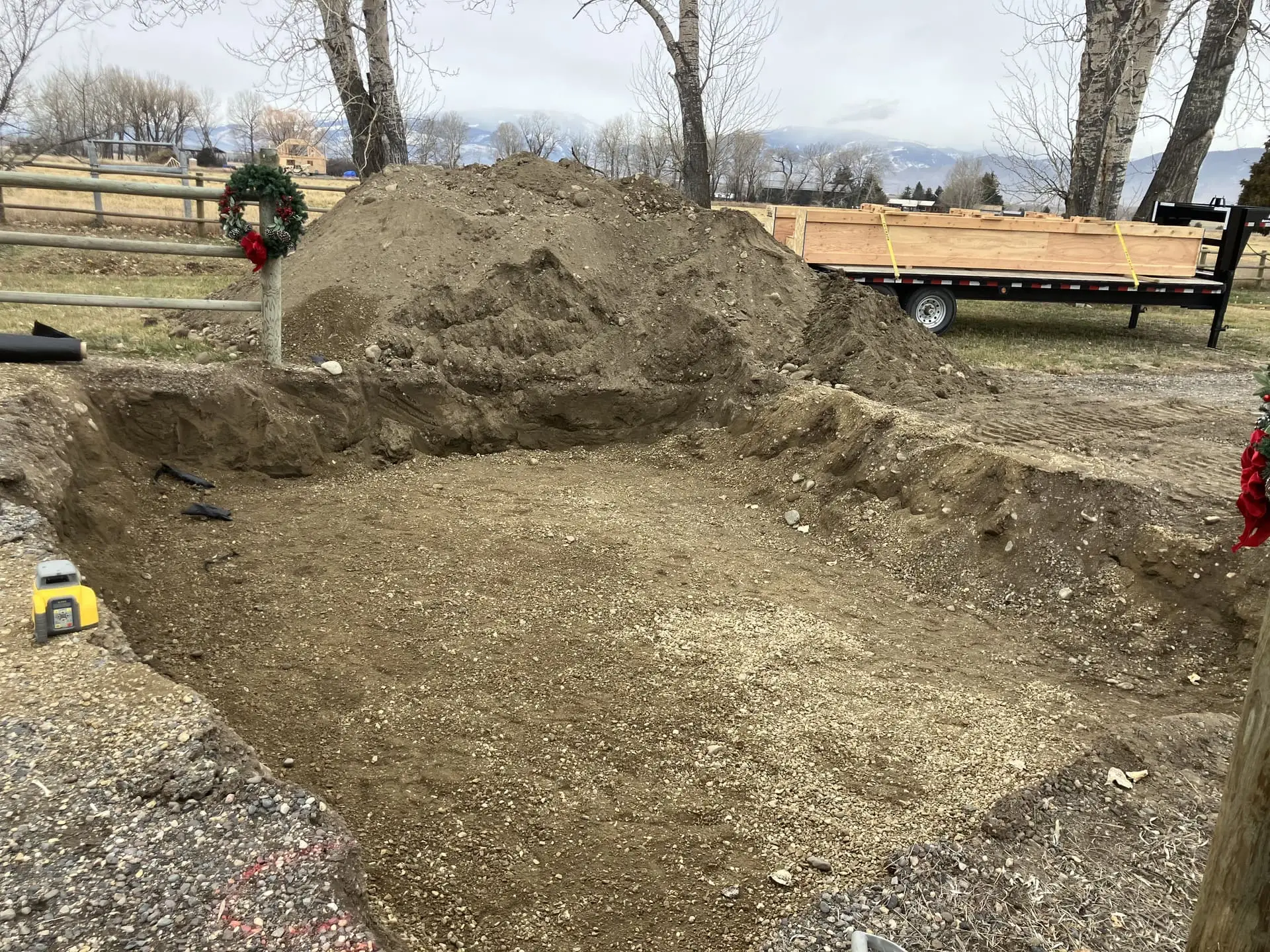
We come out and walk the ground with you. This is where most of the real decisions get made: where water goes, where the rock is, how equipment gets in, and what the site will and won't allow. Measurements are free.
- 03
The estimate
A written scope built from what we saw, not a per-foot guess off a map. If there's a cheaper approach that solves your actual problem, it goes in the estimate — that conversation is worth more to us than a bigger invoice.
- 04
Scheduling
Montana work is seasonal, and we'd rather tell you that plainly than promise a date the weather won't honor. We'll explain what conditions your project needs and where it sits in the calendar.
- 05
The build
One company handles timber, stone, steel, concrete, and site work, so the transitions between trades are planned rather than negotiated on the fly. You'll know who is on your property and what they're doing.
- 06
The walkthrough
We walk the finished work with you, clean up the site, and go over anything you should keep an eye on as the ground settles through its first season.
How We Run a Jobsite
What You Can Hold Us To
We tell you when less work is the answer
Plenty of estimates end with "you don't need what you think you need." A road that fails in the same spot every spring usually needs drainage, not more gravel. Sound corners with tired wire is a re-stretch, not a replacement.
The site gets left better than we found it
Ruts get repaired, debris leaves with us, and gates get closed. On working properties that means livestock stay where they belong while we're there.
Access and staging get planned first
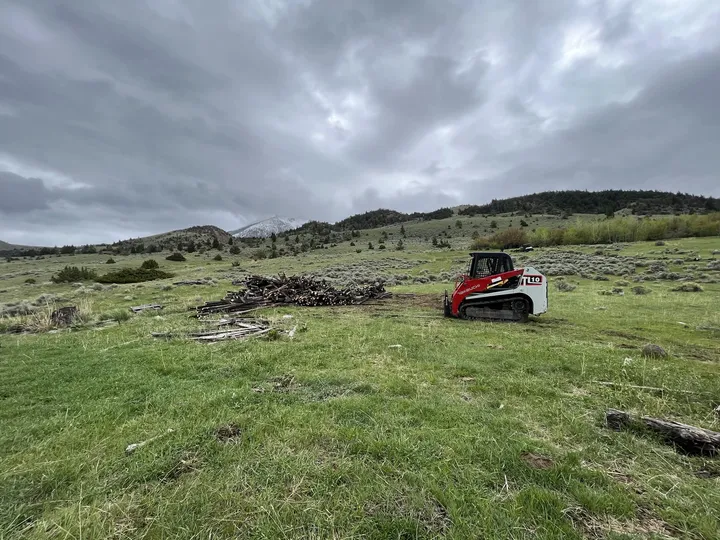
On steep, wet, or remote sites, how material and machines reach the work is often the hardest part of the job. We work that out before the schedule is set, not after a truck is stuck.
Changes get discussed before they happen
Ground surprises: rock where the plan said soil, water where nobody expected it. When the site changes the scope, you hear about it and decide, rather than finding it on an invoice.
Before We Arrive
How to Make the Site Visit Count
None of this is required — we'll figure it out either way. But every item here makes the estimate more accurate and reduces the odds of a surprise mid-project.
- Mark or tell us about anything buried — septic, leach field, water lines, power, irrigation, and internet or phone runs.
- Point out property corners and any boundary you're unsure about, especially where a fence line or entrance is involved.
- Let us know about livestock, dogs, and where gates need to stay shut.
- Flag anything you want protected: trees, sprinkler heads, a lawn, a septic lid, a favorite view.
- Tell us about access limits — soft ground, a narrow bridge, a gate width, a low branch.
- If your property is under an HOA or covenants, check what they require before design gets far.
Common Questions
What does the free estimate actually include?
A site visit, measurements, and a written scope of the work with pricing. We walk the ground with you, talk through options and trade-offs, and put the recommendation in writing so you can compare it fairly against anyone else.
Do you handle more than one trade on a project?
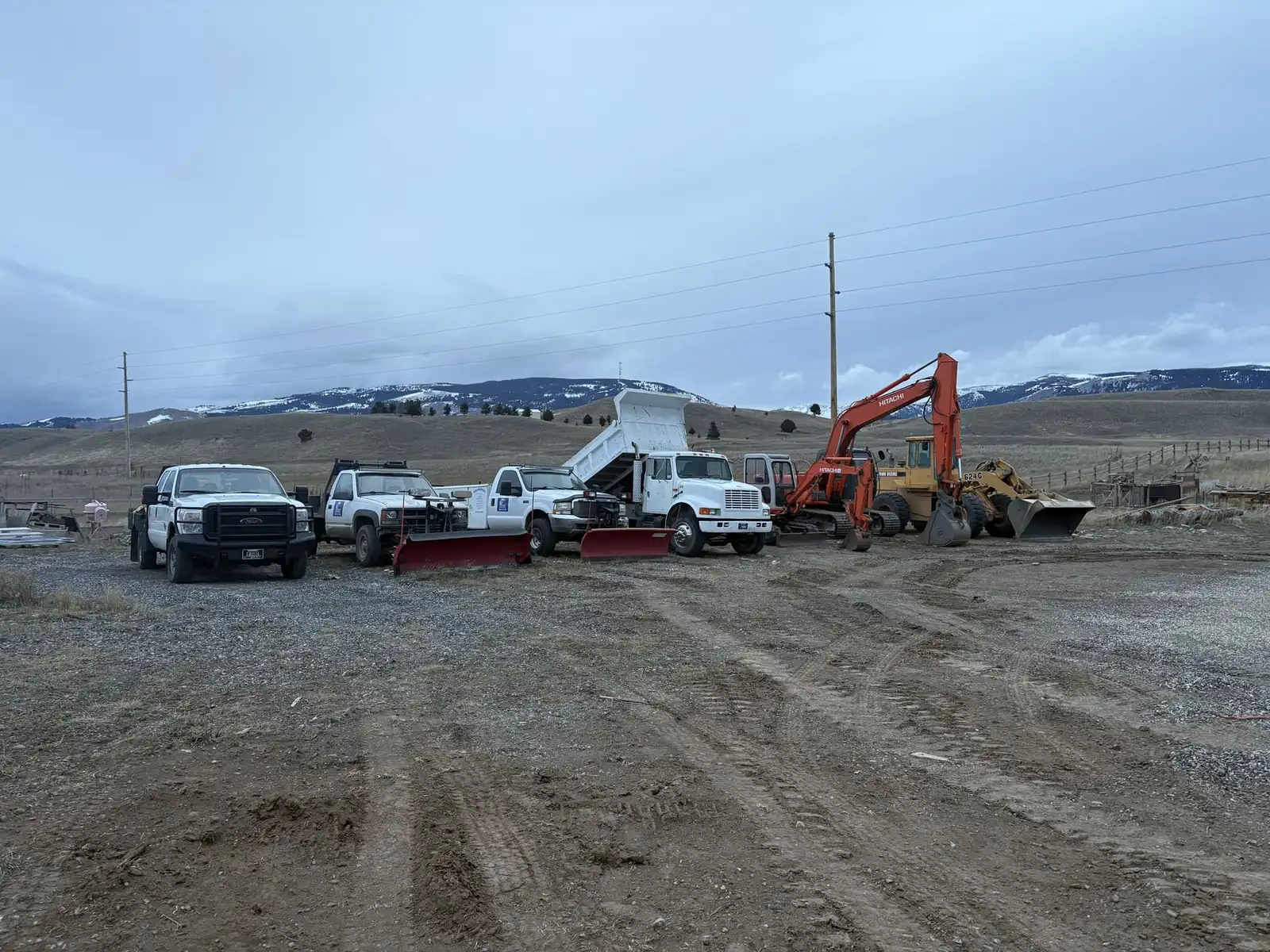
Yes, and it is the main reason people call us for larger projects. Timber, stone, steel, concrete, and site work are all handled in-house, so a deck that needs a patio under it and a drainage fix behind it does not become three contractors and three schedules.
How far ahead should I be planning?
Further than most people expect, especially for work that needs dry ground. Earthwork, concrete, and set-post fencing all depend on conditions, and the good-weather calendar fills early. Winter is a good time to design and estimate a summer project.
Can you work on a property while we are away?
Yes, and it is common with seasonal and second homes. We keep owners updated through the build so nobody is guessing about progress from another state.
What if the site turns out to be different than expected?
It happens — rock, water, and buried surprises are part of working on real ground. We stop, tell you what we found, and go over the options and what each one changes before continuing.
Free Estimates & Measurements · Bozeman, MT
Start with a walk of the property
Measurements and estimates are free, and there's no pressure attached to them. Tell us what you're planning and we'll tell you what the site needs.