Built So Nothing Goes Over — or Through
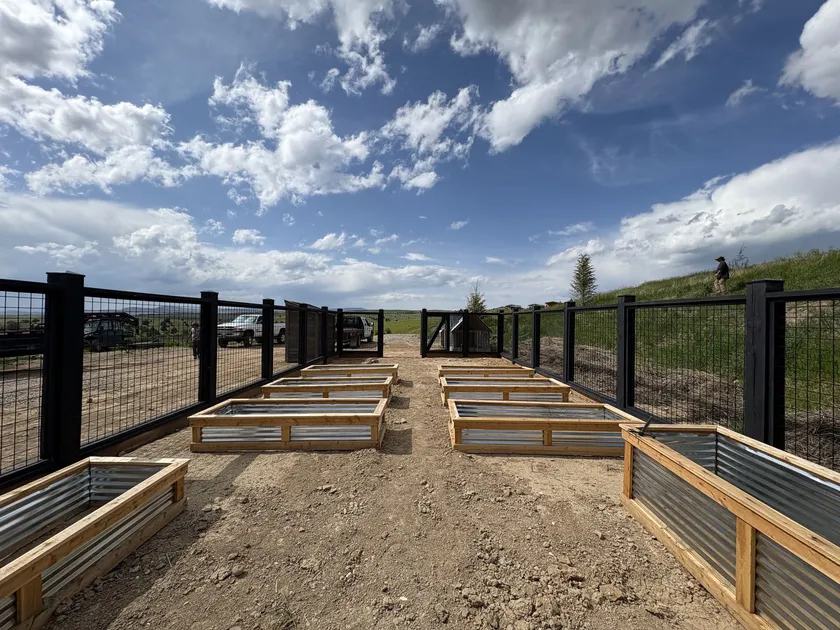
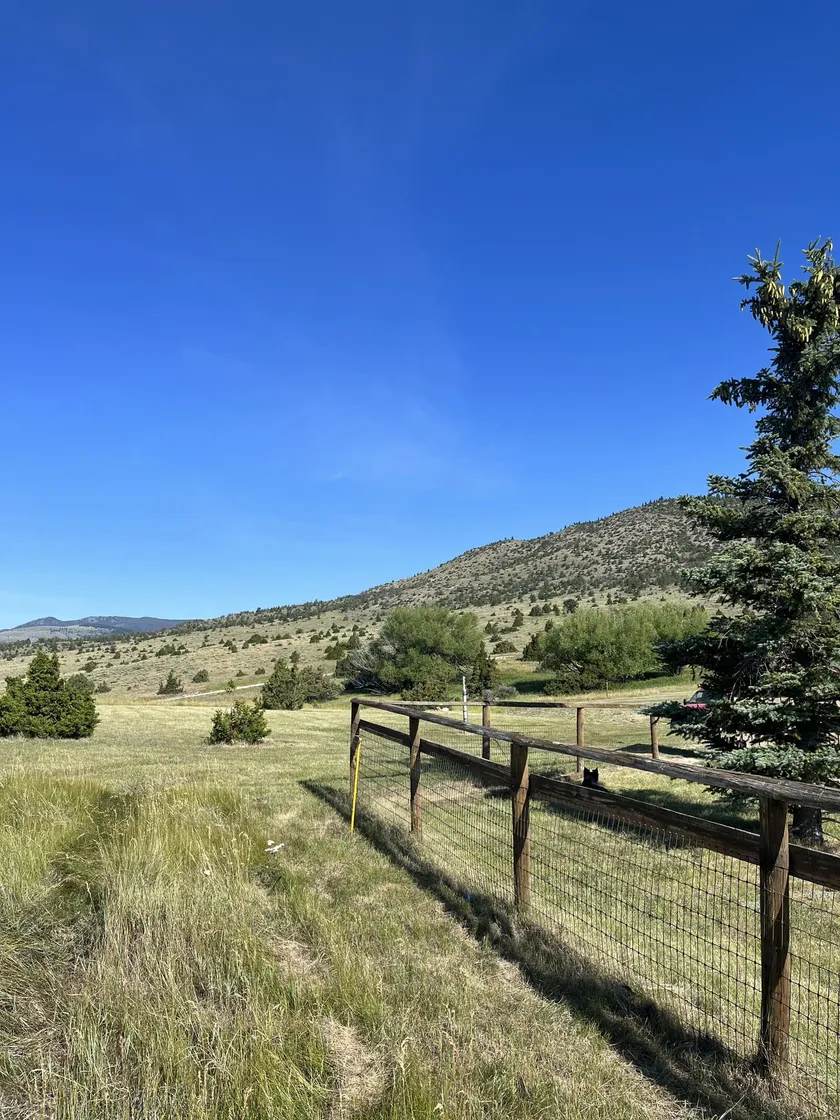
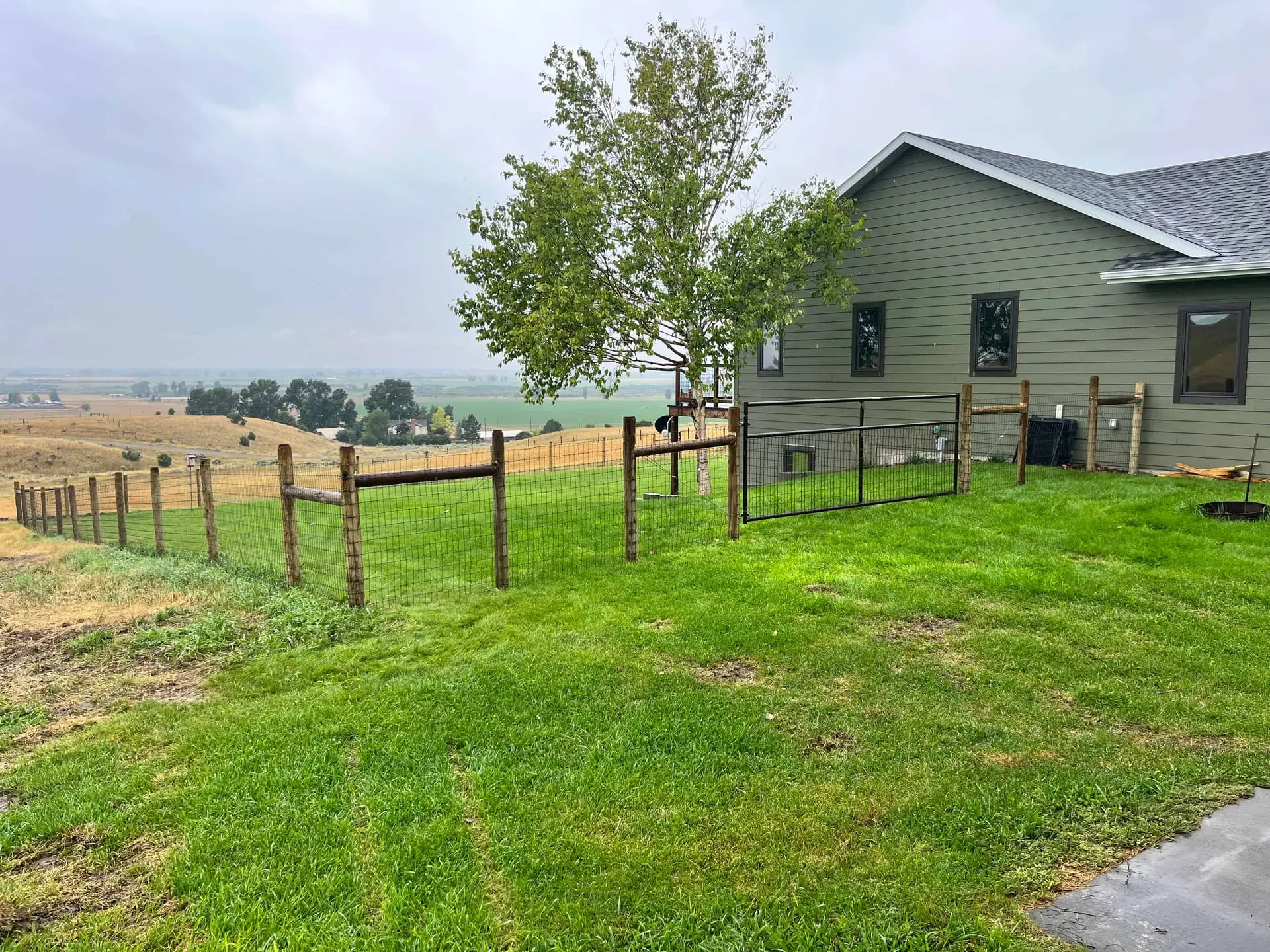
No-climb fencing earns its name with a tight 2×4-inch woven mesh that offers no footholds and no gaps big enough for a hoof or paw. For horse owners, that mesh is the difference between a fence and a vet bill: hooves can’t pass through, so pawing at the fence doesn’t end in injury.
Where We Install No-Climb
- Horse pastures and paddocks — the industry-standard safe wire for horses and foals
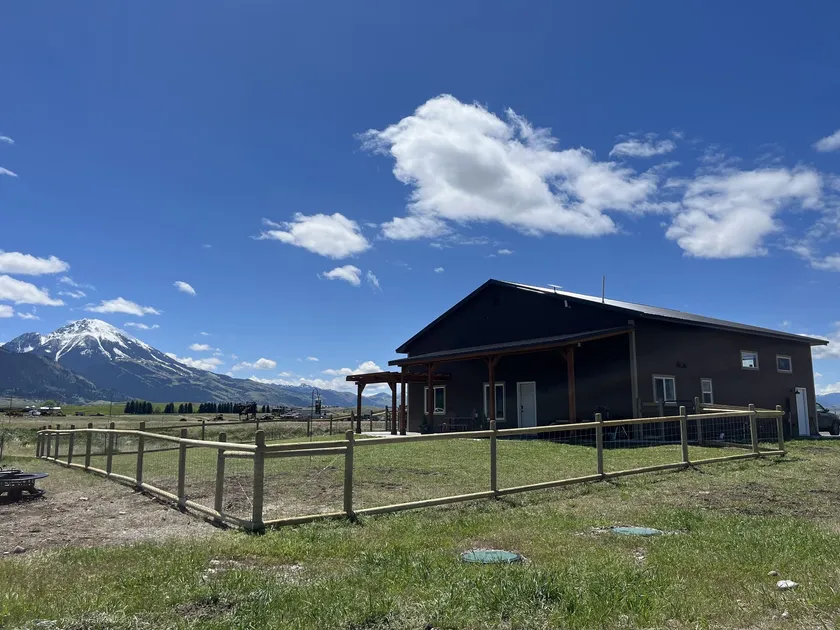
- Dog runs and property perimeters — keeps dogs in, coyotes and strays out
- Small-stock pens — goats and sheep can’t climb it or slip through it
- Gardens and orchards — deer-pressure zones with taller configurations
How We Build It to Last
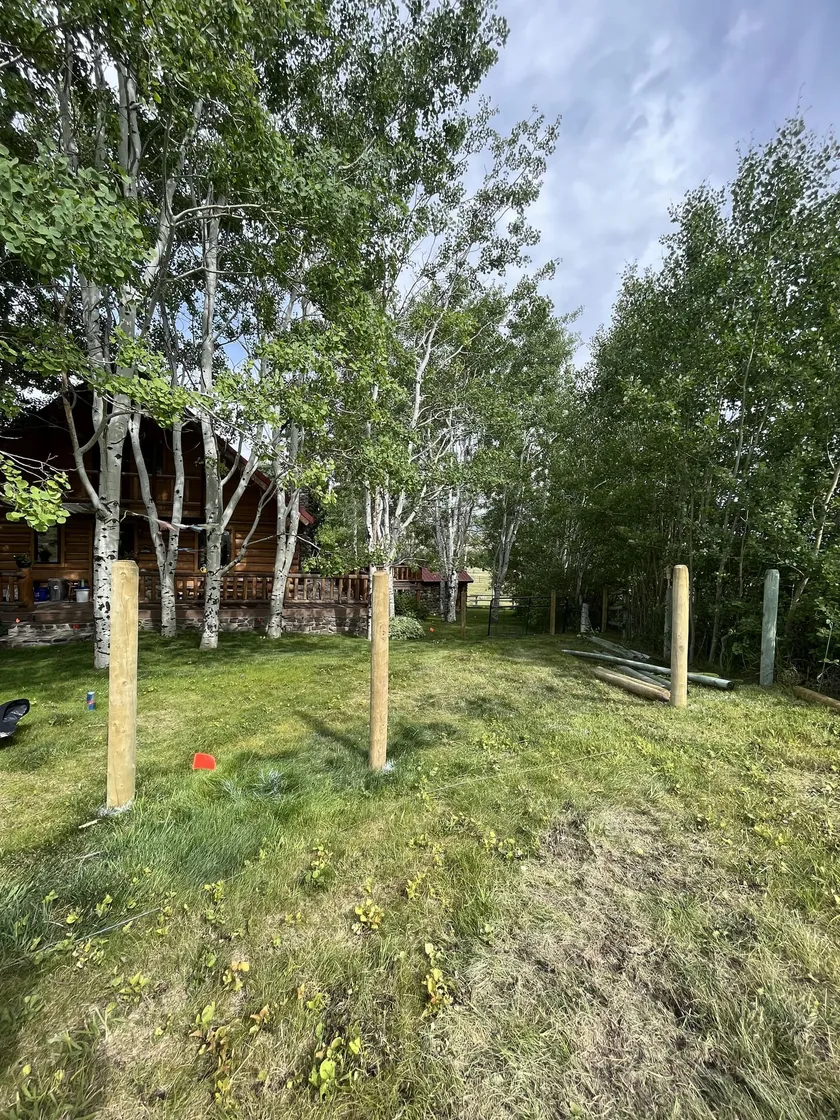
- Galvanized wire for corrosion resistance through decades of Montana freeze-thaw
- Posts set and braced for real tension — mesh only protects when it’s tight
- Wood top rails available for visibility, strength, and a classic ranch look
- Custom heights from standard horse fence to tall deer exclusions
Why Tension Is the Whole Job
Woven mesh only protects when it’s tight, and mesh only stays tight when the corners and braces holding it can take the pull — year after year, through frost heave and livestock pressure. That’s why the unglamorous parts of a no-climb build matter most: braced corner assemblies built for real tension, posts set below frost depth, and the wire stretched properly rather than stapled snug. Corners and braces are where fences fail first, and mesh fence punishes weak ones faster than any other style because the whole line depends on them.
The other detail horse owners should insist on: visibility. Horses hit wire they can’t see. A wood top rail — or a full board-fence face over the mesh — gives the fence a visible top line, stiffens the run, and looks the way a horse property should. It’s our most requested configuration around Gallatin Gateway and the horse properties west of Bozeman.
If you’re setting up a horse place from scratch, our guides to no-climb fencing considerations and setting up a Montana horse property cover fencing, shelter, and layout together.
Honest Advice on the Right Wire
No-climb costs more per foot than field fence — and it’s worth it where animal safety matters. Where it doesn’t (a back boundary line, a cattle-only pasture), we’ll tell you and spec field fence instead. That’s what free estimates from a local crew are for. Serving Bozeman, Belgrade, Livingston, Big Sky, and the surrounding areas.