A home inspector will tell you about the roof and the furnace. What they usually won’t tell you is that the driveway won’t survive spring, the “seasonal” creek crossing washes out most years, the fences are one hard winter from falling down, and the well road is impassable from December to March. On rural Montana property, the land itself carries as much cost and risk as the house, and it’s the part buyers most often overlook.
This is a walk-the-property checklist for anyone considering rural land around Bozeman, Livingston, Belgrade, or the Paradise Valley. None of it is legal or engineering advice, and some items warrant a professional’s eye, but knowing what to look at turns a hopeful guess into an informed decision.
Access and the road in
Everything on a rural property arrives over its road, so start there.
- Walk the whole driveway, ideally in mud season. Soft spots, ruts, standing water, and washboard tell you whether you’re buying a road or a future project. Our spring-thaw guide explains what the symptoms mean.
- Look at the county-road approach. Sight lines pulling out, how the approach is built, and whether it floods.
- Find the water crossings. Every culvert and low spot on the route is a maintenance item and a potential washout. A crossing that’s fine in August can be the reason you can’t get home in April.
- Ask how it’s plowed in winter, and who does the last stretch the county doesn’t touch. A property you can’t reach for four months is a seasonal property, whatever the listing says.
A road that needs rebuilding rather than grading is a real number, and it’s far better known before closing than after.
Water
In Montana, water is the whole game, and it’s a specialized area worth professional guidance. From a physical-inspection standpoint, at least locate and look at:
- The well and its access. Where it is, whether the road to it stays open, and how the supply line runs.
- Water rights and sources, which are a legal matter for your agent and a water-rights professional, not a walk-around item, but absolutely one to resolve before buying.
- Where water goes when it rains and melts. Seeps, boggy ground, and drainage patterns that are invisible in a dry August but define the property in spring.
Fences
Fences are expensive to build and expensive to remove, so their condition is real money.
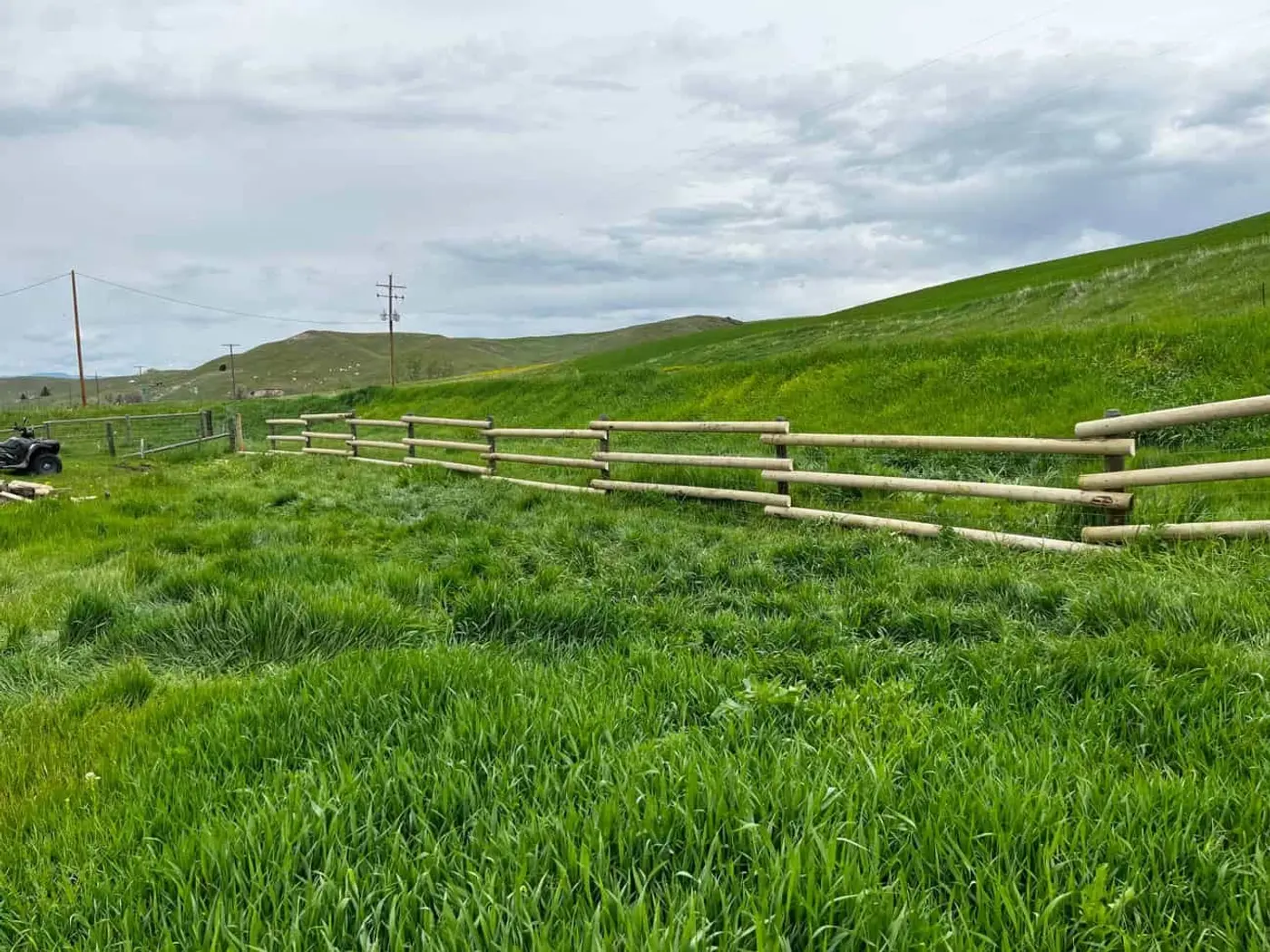
- Walk the lines and read the corners. As our corner guide explains, leaning, heaved corners mean a fence at the end of its life, not a quick fix.
- Note the fence types against your plans. Barbed wire on a place you intend for horses means replacement, not inheritance.
- Look for derelict wire, the abandoned lines in the brush that are a hazard and a haul-off cost.
- Consider what you’ll actually need, using the fence planning questions. The existing fence was built for someone else’s use.
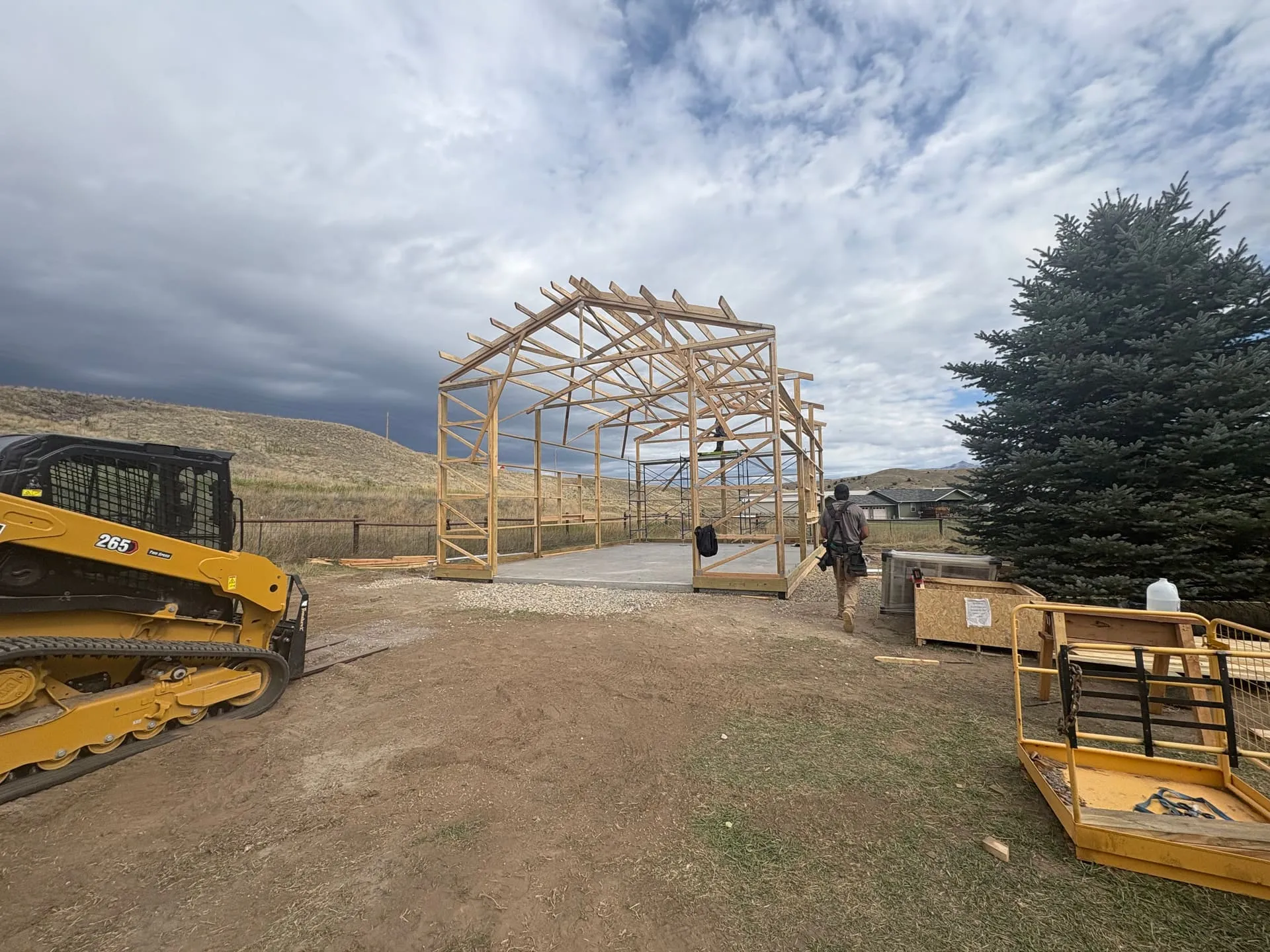 Walk the fence lines and the road before you fall in love with the view.
Structures and site
- Barns, sheds, and outbuildings: sound and useful, or a demolition and cleanup cost waiting to happen? A sagging barn is a liability, not a charm.
- Drainage around buildings and the yard: where does roof and surface water go, and is it undermining anything?
- Old concrete, junk, and buried surprises: the accumulated inventory of previous owners that becomes yours at closing.
- The building sites, if you plan to build: access, slope, rock, and water all shape what’s possible and what it costs, which is excavation and site work territory.
The improvement costs hiding in plain sight
Here’s the reframe that helps buyers most: the price of rural property isn’t just the asking price, it’s the asking price plus what it takes to make the land do what you want. A place that looks cheaper can carry a failing road, dead fences, no usable outbuildings, and drainage problems that add up fast. A place that looks pricier may already have sound access, good fences, and working infrastructure.
Walking a property with that lens, and getting real numbers on the big-ticket items before you close, is the difference between a clear-eyed purchase and an expensive surprise. Our regional improvement guide lays out the hierarchy of what actually matters, and the cost-factors guide explains what drives the numbers.
A buyer’s short list
Before you close, try to know:
- Is the road sound, or is it a rebuild?
- Can you reach the place, and the well, all winter?
- What condition are the fences in, and do they suit your plans?
- Are the structures assets or liabilities?
- Where does water go in spring?
- What’s the realistic cost to make the land do what you bought it for?
We’re often asked to walk a property with prospective or brand-new owners and give an honest read on exactly these questions. It’s one of the more useful conversations a buyer can have, and it frequently reshapes what someone’s willing to pay, or what they tackle first after the keys change hands.
Thinking about a property, or just closed on one? Request a property evaluation and we’ll walk it with you. Free assessments across Gallatin and Park counties.